
Heater Sports
Heater Jr. Real Baseball Pitching Machine with 12-Ball Auto Feeder
- SKU:
- T04-HTR299
- UPC:
- 638280049602
- MPN:
- HTR299
- Shipping:
- Free Shipping
- shipping_label:
- free





Description
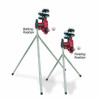
The Heater Jr. is a real-baseball pitching machine built around a 1/4 horsepower motor, a 12-ball spiral auto feeder, and variable pitch speeds from 15 to 48 MPH. It sits in the lineup as the step-up machine from the entry-level BaseHit: more power, wider speed range, faster feeder cycle, and a heavier-duty steel tripod. At 23 pounds it is still light enough to move to the field in one trip, and at $269.99 it is meaningfully less expensive than metal-frame machines while delivering the same motor used in Heater's higher-end real-ball units.
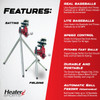
For a youth baseball player ages 8 and up outgrowing a simpler machine, or for a parent who wants one machine to cover several seasons of development, the Heater Jr. is a practical middle ground. It throws real leather baseballs and lite-baseballs, angles up and down for fly balls and grounders, and plugs into any standard A/C outlet. An optional portable power pack takes it off the grid for practice at fields without plugs.
1/4 HP Motor, Serious Speed Range
The 1/4 horsepower motor is what separates the Heater Jr. from lighter-duty real-ball machines. It is the same motor Heater puts in its higher-end metal-framed machines, which means pitching consistency holds up through long practice sessions without heat-soak slowdown. Variable speed control lets the user dial pitching anywhere from 15 MPH (for a very young hitter getting used to tracking moving pitches) up to 48 MPH on real baseballs, or up to 62 MPH with lite-baseballs.
The 48 MPH top end on real baseballs is meaningful. It matches typical pitch speeds in 10U to 12U baseball and is fast enough to give a high school hitter useful timing work for warm-up. The wide speed range means the machine grows with the player. A kid who starts at 20 MPH at age eight can push the dial up to 35, then 42, then eventually the top end over several seasons without outgrowing the machine.
12-Ball Spiral Auto Feeder
The included 12-ball spiral feeder drops a baseball into the pitching wheel every 10 seconds, giving a hitter two minutes of continuous batting practice per full load. The spiral design is reliable across different ball types (real baseballs, pitching machine baseballs, lite-baseballs) because the feeder uses gravity and a drop release rather than mechanical rotation to separate each ball. It rarely jams, and if it does, clearing is a matter of lifting the stack and resetting.
Between loads, a parent, coach, or sibling can reload in under 10 seconds, so a full hitting round of 30 or 40 swings comes together with minimal downtime. For solo practice, plan on a small bucket of balls next to the feeder for fast reloads between at-bats.
Adjustable Pitch Height for Hitting and Fielding
The pitching housing tilts on the tripod head to aim level, up, or down. Level gives a normal strike zone pitch. Angled up produces pop flies for outfield practice. Angled down rolls out ground balls for infielders. For a youth team with limited field time, that versatility lets one machine run a hitting station and two fielding stations with a simple knob adjustment between rounds.
A note from Heater on lite-baseballs: use lite-baseballs for ground ball training only. The lighter weight does not produce consistent pitch trajectory when the machine is angled up for pop flies, and repeated angled-up use with lite-balls can cause wear. For pop-fly practice, stick with real baseballs or pitching machine baseballs.
Galvanized Steel Tripod and Nylon-Fiberglass Housing
The tripod is galvanized steel tubing with rubber tips on the legs. Galvanizing matters for a machine that lives outdoors or in a damp garage. It resists corrosion far better than painted steel and holds up for years in conditions that would rust an unprotected frame. The legs use a pushpin assembly, so setup is tool-free and takes about a minute once you have done it once.
The pitching housing is nylon-fiberglass composite. That combination is lightweight (keeping total machine weight at 23 pounds) but impact-resistant enough to handle line-drive rebounds off the hitter. The fully enclosed wheel is visible only through the ball exit, which keeps fingers away from moving parts during loading and is an important safety feature on a machine used by kids.
Power: A/C or Portable Pack
The Heater Jr. plugs into any standard 110V A/C wall outlet using the included cord. For practice at fields or parks without electricity, Heater offers optional Hot Box portable power stations that power the machine for hours on a charge. The base unit ships with only the A/C cord; the power pack is sold separately and is worth the budget if your primary practice spot is a field or park.
Who the Heater Jr. Is For
The Heater Jr. fits a specific audience: baseball players roughly 8 to 14 years old who need real-baseball pitching at speeds above what a coach or parent can throw reliably, serious youth players who want the same motor used in commercial-grade machines without the commercial-grade price, and families who want one pitching machine that covers multiple seasons of a player's development. It also fits travel teams looking for a reliable backup or warm-up machine, and coaches running batting practice stations at clinics.
It is not the right machine for players under seven or eight, where the 15 MPH low end may still be too fast and the BaseHit's smaller footprint is a better starting point. It is also not the machine for advanced high school or college players who need curveball work or pitching above 50 MPH. The Heater Pro Curve with its pivot-head breaking-ball design is the step up from the Jr. for players ready to train against curves.
Training Applications
A few drills that work especially well with the Heater Jr.:
Progressive speed rounds. Start a hitter at 25 MPH for the first 10 swings to warm up, bump to 35 MPH for the next 10 to focus on contact quality, and finish at 42 to 45 MPH for 10 swings of competitive-speed work. The variable speed dial makes this easy without repositioning the machine.
Two-strike contact drills. Set the machine at the top end (45-48 MPH), shorten the stride, and focus on putting the ball in play. The faster delivery shortens reaction time and trains a two-strike mindset.
Fielding rotations. Angle the housing down for 10 minutes of grounders, then up for 10 minutes of pop flies. Rotate two or three fielders through each. This use case makes the single-machine purchase much more versatile than a hitting-only setup.
Timing work for older players. A high school player warming up before a game can use the Heater Jr. at 45-48 MPH for 15 or 20 swings to calibrate timing. It is not game speed, but the consistency of the machine helps isolate timing from pitch variability.
Using the Heater Jr. With a Batting Cage
The machine is designed to work with a Heater Sports home batting cage. The Power Alley 22 foot and Xtender 24-72 foot cages are sized for real-ball work and pair well with the Jr. Both cages have pitching machine openings that line up with the Jr.'s housing, so the machine sits outside the cage and pitches in through the opening. This keeps the hitter in the protected space and gives the machine a clear line of sight to the hitting zone.
For backyard use without a cage, leave at least 25 feet of pitching distance and have a heavy backstop net or fence behind the hitter. Real baseballs at 48 MPH travel a long way off a solid hit, and you do not want to be replacing windows or siding.
Heater Jr. Pitching Machine Specifications
- Model: HTR299 (includes 12-ball automatic feeder)
- Motor: 1/4 horsepower electric motor
- Pitch speed, real baseballs: 15 to 48 MPH variable
- Pitch speed, lite-baseballs: up to 62 MPH
- Ball compatibility: real baseballs (polyurethane pitching machine balls recommended), real leather baseballs, lite-baseballs
- Pitch types: fastballs, pop flies, ground balls (adjustable pitching height)
- Ball feeder: 12-ball spiral automatic feeder, pitches every 10 seconds
- Housing: nylon-fiberglass composite with fully enclosed pitching wheel
- Tripod: galvanized steel with rubber-tipped legs, pushpin assembly
- Power: standard 110V A/C (cord included) or optional Hot Box portable power pack (sold separately)
- Weight: 23 pounds
- Recommended ages: 8 years to adult
- Compatible cages: Heater Sports Power Alley 22', Xtender 24-72'
What's Included
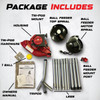
The Heater Jr. package includes the pitching machine housing, the 12-ball spiral automatic feeder, one polyurethane pitching machine baseball (for accuracy testing and initial use), the galvanized steel tripod stand with rubber-tipped legs, the A/C power cord, and the printed instruction manual. Pitching machine baseballs are sold separately; a dozen or two is a reasonable starting supply. The optional Hot Box portable power pack, the Heater Sports Power Alley or Xtender batting cages, and ball shaggers like the Ball Vacuum are separate purchases.
Frequently Asked Questions
What is the difference between the Heater Jr. and the BaseHit?
Both are single-wheel real-baseball machines. The Heater Jr. uses a 1/4 HP motor (the same motor used in Heater's higher-end metal machines) and covers 15 to 48 MPH on real baseballs. The BaseHit uses a smaller motor and tops out at 45 MPH with a narrower speed range. The Heater Jr. is designed for older youth players ready for more power and a wider speed range; the BaseHit is the entry-level option for younger players starting from 5 or 6 years old. The Heater Jr. is also heavier-duty with its galvanized steel tripod.
Does the Heater Jr. throw curveballs?
No. The Jr. is a single-wheel machine, which is optimal for consistent fastballs, grounders, and pop flies but cannot impart the rotation needed for a true curveball. If curveball training is a priority, look at the Heater Pro Curve (HTR499BB), which uses a pivot-head design to throw breaking balls.
How long does it take to set up?
First-time setup takes about 10 to 15 minutes including reading the manual. After that, the tripod legs pushpin-lock into place and the machine housing mounts with quick-attach knobs, so repeat setups take two to three minutes.
What kind of baseballs should I use?
Heater recommends their polyurethane pitching machine baseballs for consistent accuracy and long wheel life. Real leather baseballs with low-profile seams work fine but accuracy can vary slightly from ball to ball based on seam differences. Synthetic leather balls are not recommended because they can scuff the wheel and do not pitch well when wet. Lite-baseballs work for ground ball training but should not be used for pop-fly drills.
Can I use it indoors?
Yes, with space. You need roughly 25 feet of pitching distance plus 10 or 15 feet behind the hitter for a backstop. Most home basements are too short. A large garage, gym, or commercial facility with a net setup works. For indoor use, stick with pitching machine balls or lite-baseballs rather than leather balls to minimize damage risk to surroundings.
How long does the motor last?
With normal home use, the 1/4 HP motor is rated for thousands of hours of operation. The motor is the same component Heater uses in machines aimed at commercial and team use, so heavy family or team use is within design spec. Keep the machine dry (never leave it in rain) and store it indoors between sessions to maximize motor life.
Does it work with a batting cage?
Yes. The Heater Jr. has a built-in machine harness that attaches to Heater Sports home batting cages. The Power Alley 22 foot and Xtender 24-72 foot cages both have pitching machine openings sized for the Jr. For backyard use without a cage, a sturdy backstop net is essential because real baseballs at 48 MPH travel far off the bat.